

Service Area Map
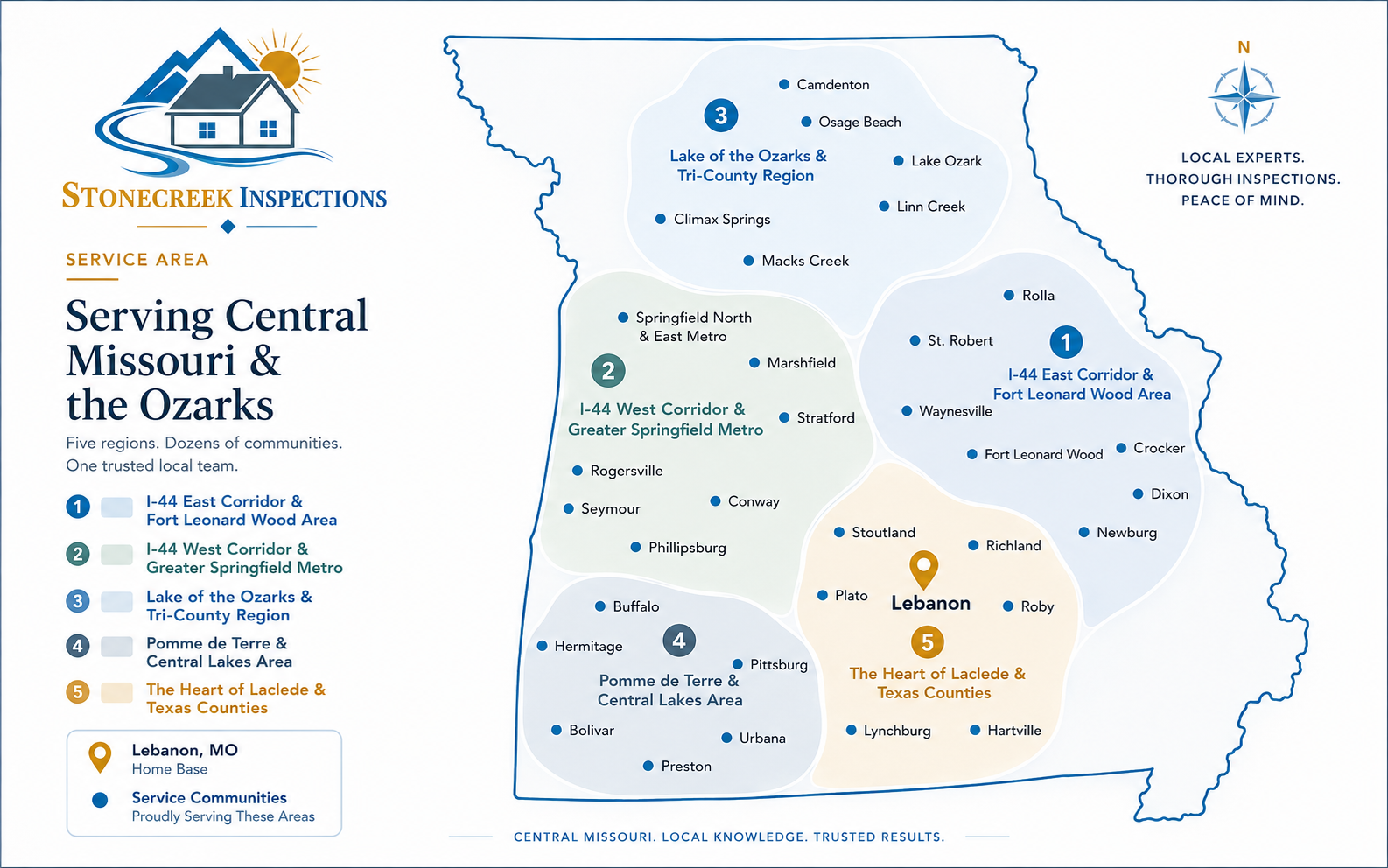
Five regions. Dozens of communities. One careful local team serving Central Missouri and the Ozarks.
LOCAL KNOWLEDGE MATTERS
Where Local Homes, Roads, and Conditions Shape the Inspection
Central Missouri is not one single type of property. Some homes sit near busy I-44 corridors, some are tucked close to the lakes, and others are surrounded by acreage, wells, septic systems, outbuildings, gravel roads, mature trees, and changing terrain.
That is why we look at every property with attention to its location, its setting, and the local conditions that may affect the home over time.
SERVICE REGIONS
Explore the Areas We Serve
Each region has its own mix of homes, roads, terrain, age, maintenance patterns, and local conditions. Open each card to learn what may shape an inspection in that area.
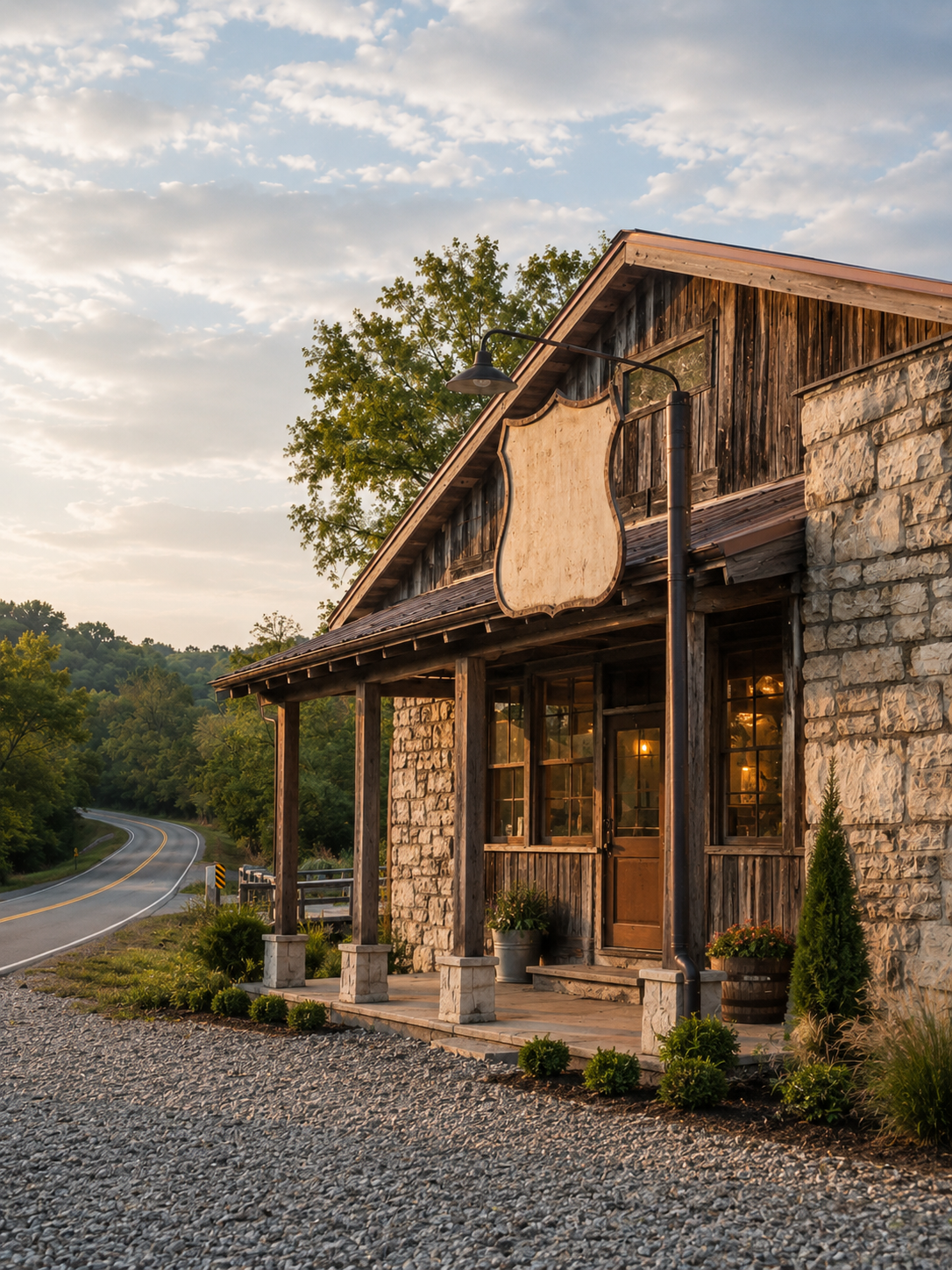
I-44 East Corridor & Fort Leonard Wood Area
A busy corridor shaped by military moves, Route 66 history, growing communities, and homes that often change hands quickly.
Communities served:
Waynesville, St. Robert, Rolla, Fort Leonard Wood, Crocker, Dixon, Newburg
The I-44 East Corridor and Fort Leonard Wood area have a building story shaped by movement, service, and change. Around Waynesville, St. Robert, Rolla, Fort Leonard Wood, Crocker, Dixon, and Newburg, many communities grew because people were coming through, being stationed nearby, buying homes, selling homes, and building lives around the road and the military base.
Fort Leonard Wood was established in 1940, and the pace of construction that followed was remarkable. In a short period of time, hundreds of buildings were put up to meet the urgent needs of a growing military installation. Many of those early World War II-era structures were built as temporary wooden buildings, designed for practical use rather than long-term life. That history still helps explain the character of the area today: homes and buildings here often reflect a mix of military growth, roadside commerce, Route 66 heritage, and steady community change.
You can still see that story in some of the region’s historic places. Countee Hall, once a club for Black officers, is remembered in part for its 1942 mural by Staff Sergeant Samuel A. Countee. The Old Stagecoach Stop in Waynesville is one of the oldest standing buildings in Pulaski County and served as a Union hospital during the Civil War. At Devils Elbow, the 1923 steel truss bridge and the 1917 Hiawatha Lodge connect the area to the early travel culture of Route 66. In Rolla and Phelps County, historic brick and stone public buildings, including the courthouse and jail, show another side of the region’s older construction.
For homeowners, this mix of history matters because buildings from different periods often come with different strengths and concerns. Older stone and brick structures can be impressively durable when they have been well-maintained. Many homes around Fort Leonard Wood and nearby communities were also built with practical layouts and everyday function in mind, which can be a real advantage for families, military households, and buyers who need a home that works well.
At the same time, older properties deserve a careful look. Wood-framed structures from earlier eras may have wear that is not immediately visible. Moisture, ventilation, insulation, aging electrical systems, and old finish materials can all affect safety and comfort. In homes built before modern material standards, it may also be wise to consider the possibility of asbestos-containing materials or lead-based paint, especially before renovation.
The ground itself is another part of the story. This region has limestone geology and nearby cave systems, which make the foundation condition especially important. During an inspection, signs of movement, settlement, cracking, water intrusion, or poor drainage around the home should be taken seriously. A house does not stand alone; it responds to the soil, water, slope, and maintenance around it.
For homes in this area, I would pay close attention to the foundation, crawlspace, attic, roof drainage, electrical panel, visible wiring, and signs of moisture or wood deterioration. Radon testing may also be worth considering, particularly in areas with limestone conditions. If a home is older, additional specialized testing for lead paint, asbestos, or environmental concerns may be helpful before major repairs or remodeling.
In this part of Missouri, an inspection is not just about looking at what is visible today. It is also about understanding what the home has been through, how it was built, what materials were used, and how local conditions may have affected it over time. When you know that story, you can make better decisions about safety, maintenance, repairs, and long-term ownership.
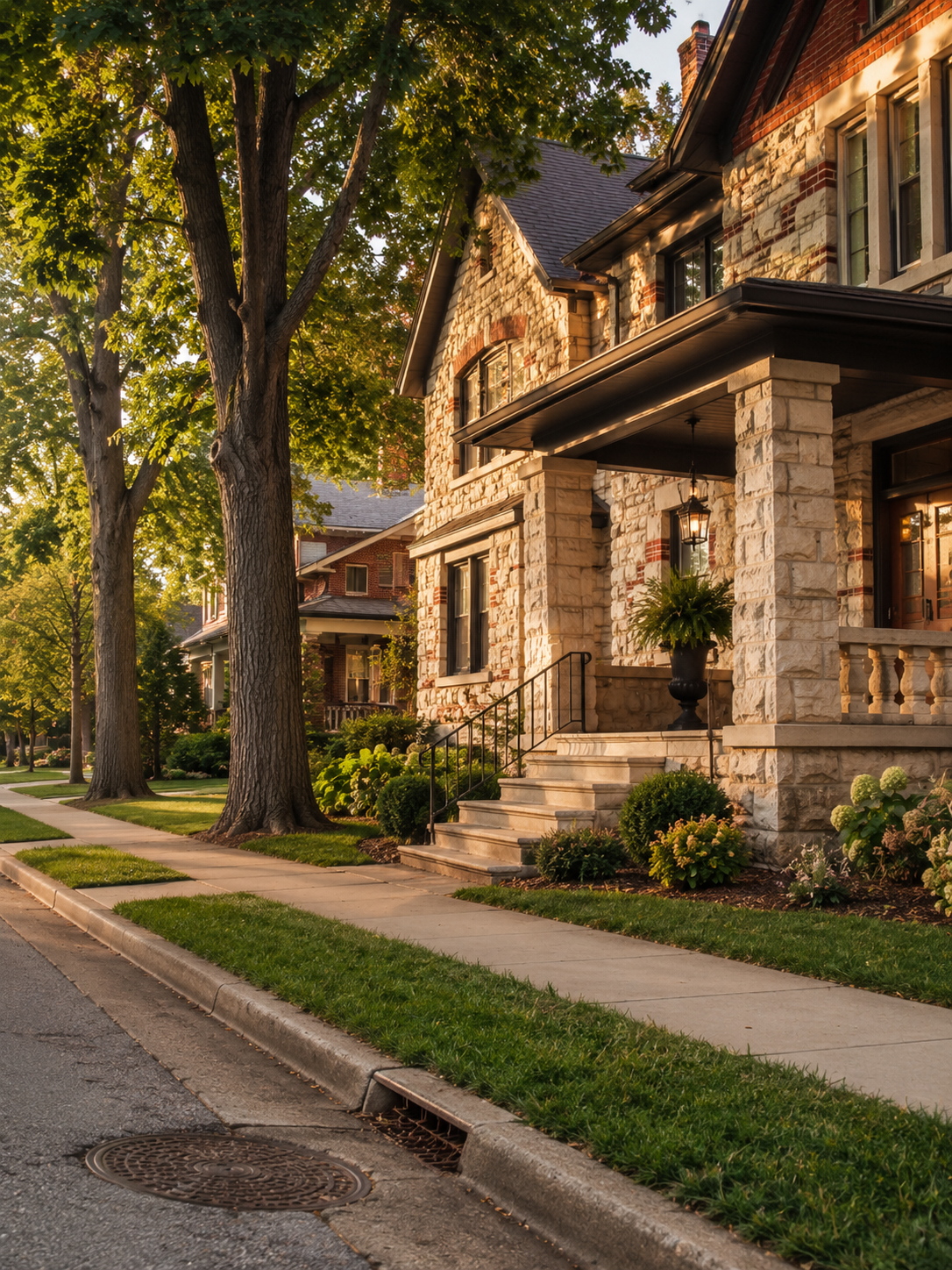
I-44 West Corridor & Greater Springfield Metro
A growing westward corridor with commuter homes, older properties, rural edges, and neighborhoods connected to the Springfield metro area.
Communities served:
Springfield North & East Metro, Marshfield, Strafford, Rogersville, Seymour, Conway, Phillipsburg
The I-44 West Corridor and Greater Springfield Metro area have a different kind of building story. Here, the history of the region is tied to growth, transportation, city life, and the steady movement of people and communities west of Lebanon. Springfield and the surrounding towns have long served as important centers for travel, business, education, and residential development. As I-44 continues to shape access across this part of Missouri, the area keeps growing — with older neighborhoods, established homes, suburban developments, and modern infrastructure all existing side by side.
That mix gives the region a lot of character. In and around Springfield, you can find historic buildings that reflect strength, craftsmanship, and architectural ambition. Pythian Castle, built in 1913 from Carthage stone, is one of the region’s most recognizable examples. Its history connects both to local architecture and to military use during World War II. The Abou Ben Adhem Temple, built in 1923, stands out for its Moorish Revival style and strong visual identity. The Jefferson Avenue Footbridge, a steel viaduct from 1902, reminds us how railroads and transportation shaped the city. And the Nathan Boone House, built in 1837, offers a much earlier example of wood construction in the region.
These places are not just interesting landmarks. They also help explain the kinds of materials and building conditions that can be found in the broader area. Stone, brick, wood framing, steel elements, older utilities, and modern renovations all appear throughout this corridor. Some homes may have been built in the early or mid-20th century, while others are newer suburban properties. In older parts of Springfield, it is common to see homes that have been updated over time — sometimes carefully, sometimes in layers that need a closer look.
One of the strengths of this region is the durability of many older materials. Carthage stone, brick, and well-built masonry can last for generations when properly maintained. Historic homes often have beautiful details, solid structure, and a sense of permanence that newer construction does not always have. Established city neighborhoods can also offer mature trees, sidewalks, convenient access to services, and a strong connection to community life.
But older and growing areas also come with hidden systems that deserve attention. A home can look solid from the outside while still having concerns underground, behind walls, or in mechanical spaces. In older city homes, sewer lines are especially important. Tree roots, age, shifting soil, and outdated pipe materials can all affect the condition of the line between the house and the street. A sewer scope can be a valuable additional inspection because hidden sewer repairs can be expensive and disruptive.
Electrical systems are another major area to review. Older panels, outdated wiring, missing grounding, overloaded circuits, or improper updates can affect both safety and everyday function. As homes have been remodeled, expanded, or adapted for modern use, electrical and HVAC systems may not always have been updated in the same careful way.
Heating and cooling also deserve a thoughtful look in this region. Older homes with thick walls, unusual layouts, additions, or partial renovations may not distribute air evenly. An HVAC system may be working, but still not serving the whole home comfortably or efficiently. The age of the equipment, the quality of the installation, the duct condition, and the air distribution all matter.
Because this part of Missouri includes limestone geology, radon testing may also be worth considering. Radon is not something you can see or smell, but it can be present in homes across many parts of the region. Basements and crawlspaces should also be checked carefully for signs of moisture, mold, foundation movement, or poor drainage. In dense neighborhoods, water management around the home can be just as important as the roof or siding.
For homeowners in the I-44 West Corridor and Greater Springfield Metro area, I would pay close attention to the sewer line, electrical panel, visible wiring, HVAC system, basement or crawlspace, roof drainage, foundation, and grading around the property. Each of these systems affects not only safety but also comfort and future maintenance costs.
In this region, the beauty and strength of older buildings often sit alongside hidden questions beneath the surface. A good inspection helps connect both parts of the story — what you can see right away and what may need a closer look before you move forward with confidence.
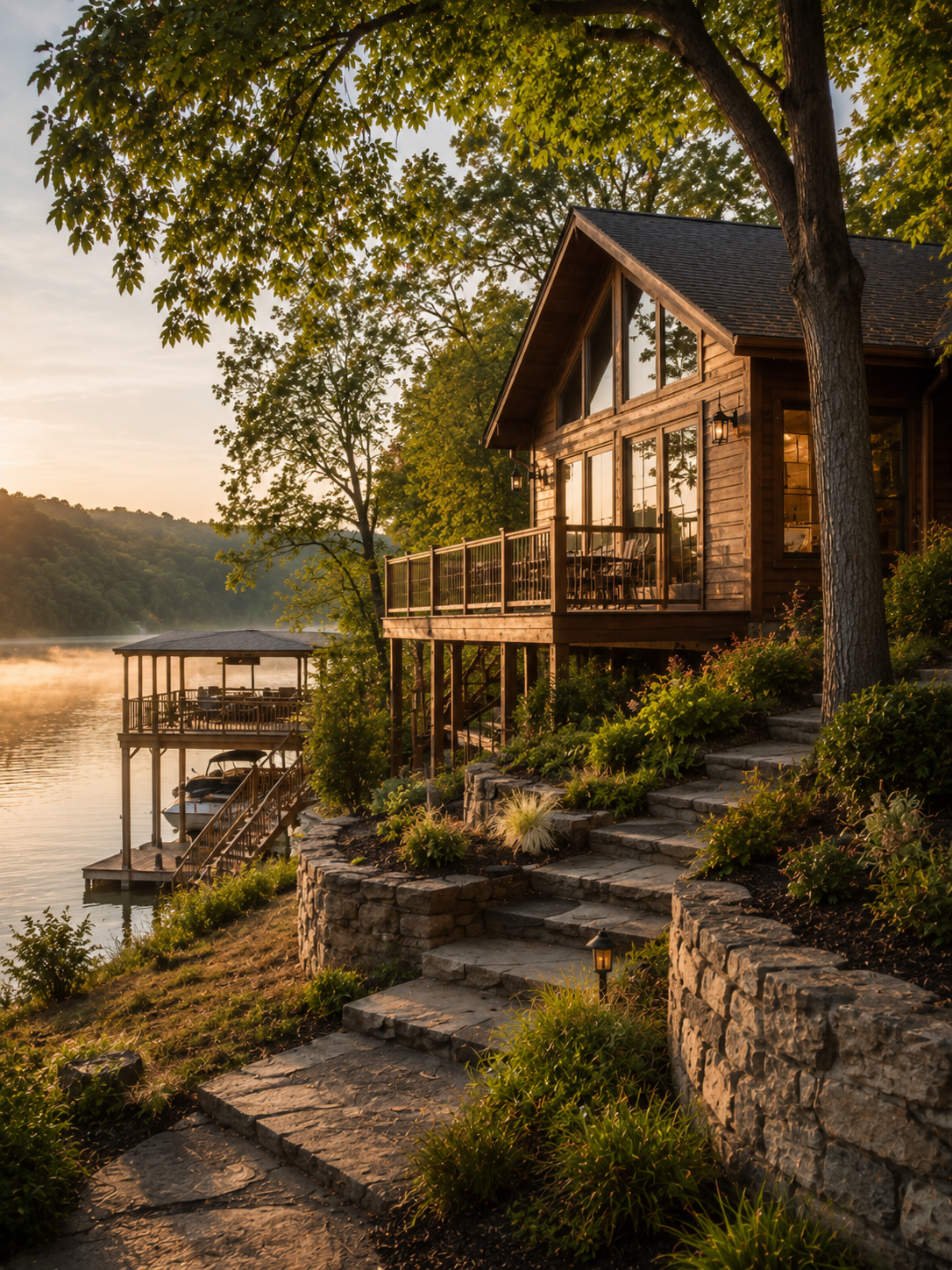
Lake of the Ozarks & Tri-County Region
A lake-centered region where moisture, decks, slopes, seasonal use, and waterfront conditions can all affect how a property should be understood.
Communities served:
Camdenton, Osage Beach, Lake Ozark, Linn Creek, Climax Springs, Macks Creek
The Lake of the Ozarks and Tri-County Region has a storied past closely tied to water. Around Camdenton, Osage Beach, Lake Ozark, Linn Creek, Climax Springs, and Macks Creek, homes are shaped not only by roads and towns, but also by the lake itself — its shoreline, hillsides, views, moisture, and recreational way of life.
The history of this region changed dramatically with the construction of Bagnell Dam between 1929 and 1931. That massive concrete structure did more than hold back the Osage River. It created Lake of the Ozarks and reshaped the landscape, economy, and future of the surrounding communities. Some places were moved, rebuilt, or forever changed as the reservoir filled. Over time, the region became known for lake homes, cabins, lodges, vacation properties, and waterfront living.
You can still see that relationship between engineering, landscape, and architecture in some of the area’s most memorable historic places. Bagnell Dam remains one of the defining structures of the region. Willmore Lodge, built in 1930, reflects a rustic Adirondack style and was constructed with white pine logs, wooden pegs, and careful craftsmanship. Ha Ha Tonka Castle, built on a bluff by Scottish stone masons, tells a different kind of story — one of stone, ambition, fire, and the ruins that remain today. Together, these landmarks show how the lake region has always combined nature, structure, and human imagination.
For homeowners, that character is part of what makes the area so appealing. Lake homes often have beautiful views, outdoor living spaces, decks, docks, stairs, retaining walls, and a strong connection to the landscape. Cabins and rustic-style homes can feel warm, personal, and inviting. Wood, logs, stone, and concrete are common materials, and when they are well-maintained, they can create homes with real charm and lasting value.
But lake-area homes also need a different kind of attention. Water is part of the beauty of the region, but it is also one of the main forces that can affect a house over time. Moisture can collect in crawlspaces, under decks, around foundations, near retaining walls, and in areas where drainage is poor. A home may look peaceful from the outside, but underneath, there may be humidity, standing water, wood decay, or early signs of mold.
Wood and log structures deserve especially careful evaluation. A log wall or wood beam can appear solid on the surface while still having hidden decay inside. Insects that damage wood, including termites and other wood-destroying organisms, are also an important concern in a humid lake environment. That does not mean every wood home has a problem. It simply means the material and the setting should be understood together.
Septic systems are another major part of the story in many lake homes. Because many properties are outside city sewer systems, the condition of the septic tank and drain field can be just as important as the roof or foundation. If a septic system is failing, repairs or replacement can be expensive, and near a lake, there may also be environmental concerns. A more complete septic evaluation may include checking the tank, baffles, drain field, and how the system handles normal household flow.
Well water may also need attention if the property is not connected to a public water supply. Water testing can help homeowners understand bacterial or mineral concerns before they become health or maintenance issues.
In this region, I would pay close attention to the crawlspace, foundation, grading, drainage, retaining walls, decks, docks, stairs, railings, roof flashing, gutters, and any visible wood components. I would also encourage homeowners to think seriously about termite inspection, septic evaluation, and well water testing when those systems are present.
A lake home is more than a pretty view. It is a structure that lives in constant conversation with water, slope, soil, wood, weather, and use. A careful inspection helps bring that full picture into focus, so homeowners can enjoy the beauty of the lake with a clearer understanding of the property they are buying or maintaining.
Pomme de Terre & Central Lakes Area
A quieter lake and rural region with cabins, acreage, older homes, wells, septic systems, outbuildings, and country roads.
Communities served:
Buffalo, Hermitage, Pittsburg, Bolivar, Urbana, Preston
The Pomme de Terre and Central Lakes Area has a quieter, more rural building story. Around Buffalo, Hermitage, Pittsburg, Bolivar, Urbana, and Preston, the character of the region is shaped by farms, small towns, lakes, local materials, and properties that often depend on their own land, water, and septic systems.
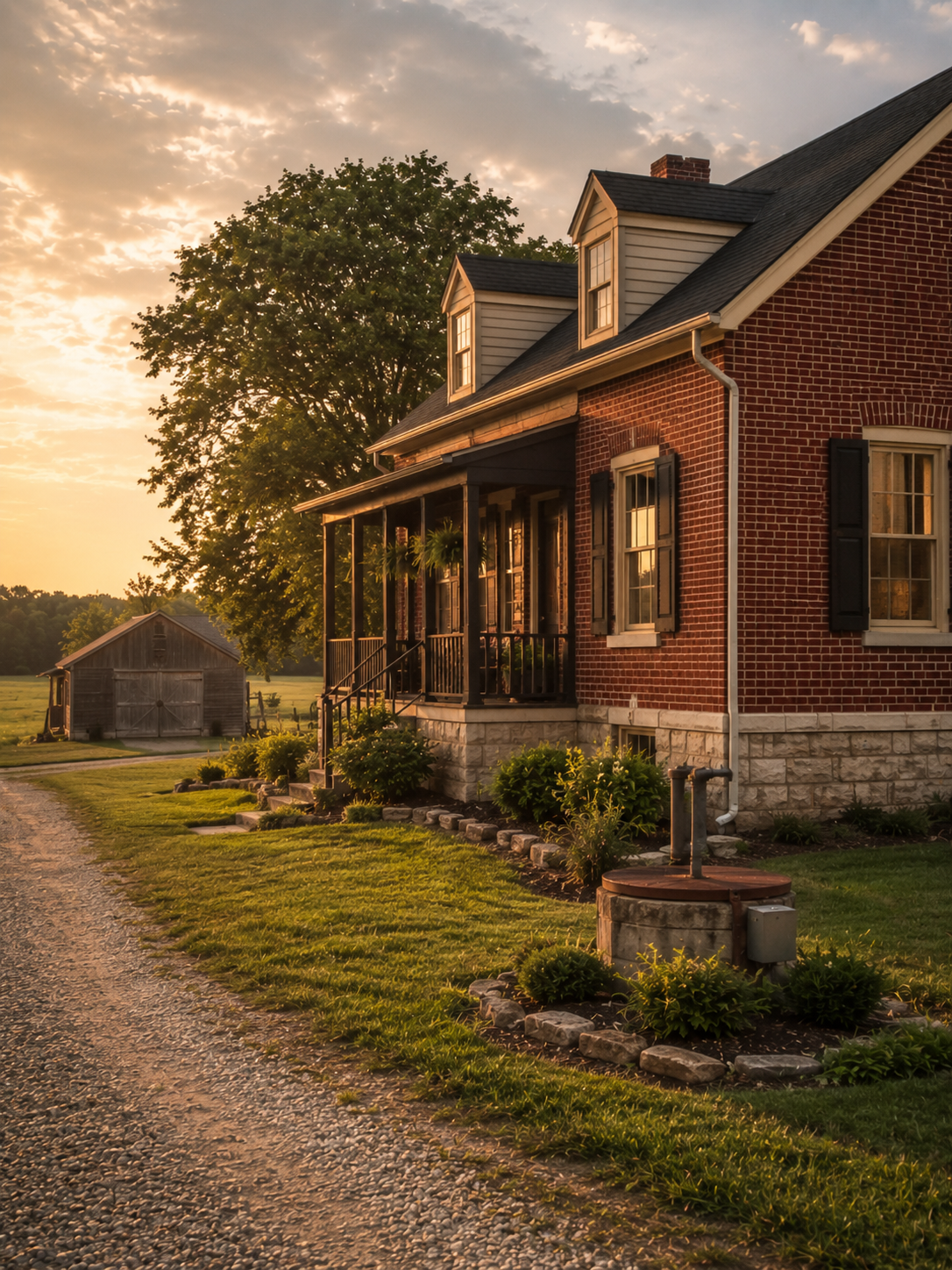
Properties here may include older homes, lake cabins, manufactured homes, farmhouses, rural residences, workshops, sheds, barns, wells, septic systems, crawl spaces, and long gravel drives. These details can make an inspection especially important because the home is only one part of the full property picture.
This part of Missouri has a strong connection to both rural life and engineered lake development. Pomme de Terre Dam, completed in 1961, helped shape the recreational and residential growth around the lake. Like many projects connected to the U.S. Army Corps of Engineers, it changed how people used the land, where they built, and how the surrounding communities developed over time. Today, the area includes a mix of lake homes, cabins, farmhouses, small-town houses, and rural properties with outbuildings, workshops, barns, and open land.
You can also see the region’s history in its public buildings. The Hickory County Courthouse in Hermitage, built in 1896, reflects the use of local red brick and the pride of a county seat. The Bolivar Public Library, built in 1915 as a Carnegie library, shows how small towns invested in education and civic life. The North Ward School in Bolivar, built in 1903 with its distinctive tower, adds another layer to the region’s architectural story, especially with the older log cabin on the property. These buildings remind us that local construction was often practical, durable, and tied closely to the materials available nearby.
For homeowners, that local character matters. In this region, you may see older brick buildings, limestone foundations, wood-framed farmhouses, cabins, lake-area homes, and rural properties that have been added to or adapted over time. Local brick and stone can be very strong materials. When they are well maintained, they can last for generations and give a building a sense of permanence and history.
Rural properties can also offer real advantages. They may provide more space, privacy, flexibility, and useful secondary structures. A barn, detached garage, shop, or storage building can add value and function to a property. Lake-area homes and cabins can offer recreation and a peaceful setting, while small-town homes may combine older construction with a strong sense of community.
But this type of property also needs to be understood as a whole system. In many rural and lake-area homes, the house is only one part of what needs attention. The well, septic system, drainage, soil conditions, outbuildings, driveway, and grading around the home all affect safety, comfort, and long-term maintenance.
Older masonry is one area I would look at carefully. Brick and stone may be durable, but mortar joints can wear down over time. If the mortar is deteriorating, cracked, or allowing moisture to enter, the wall may need repair or repointing. Limestone foundations and older brickwork should also be checked for movement, moisture intrusion, and signs of settlement.
Water is another important part of this region’s story. If a home uses a private well, water testing can help identify bacterial or mineral concerns. A well may look simple from the outside, but water quality affects everyday life in the home. Septic systems also deserve careful attention. The tank, baffles, drain field, and signs of system failure should be evaluated, especially in areas with wet soil or properties near lake environments.
Crawlspaces and basements can reveal a lot about how a home is interacting with the land around it. Moisture, wood decay, poor ventilation, standing water, or drainage problems can all show up there first. Roofs and gutters also matter, especially on older rural homes where water management may not have been updated in many years.
I would also encourage homeowners to look beyond the main house. Outbuildings may have structural issues, older wiring, roof leaks, moisture damage, or safety concerns. These structures can be useful, but they should not be ignored during the overall evaluation of a property.
In the Pomme de Terre and Central Lakes Area, a home is closely connected to its land. A careful inspection should look not only at the house itself, but at the full property system — water, septic, drainage, masonry, outbuildings, soil, and the way the home fits into its setting. When those pieces are understood together, homeowners can make clearer and more confident decisions.
The Heart of Laclede & Texas Counties
The home-base region for Stonecreek Inspections, with small-town neighborhoods, farm roads, older homes, newer builds, and Ozarks character.
Communities served:
Lebanon, Stoutland, Richland, Plato, Roby, Lynchburg, Hartville
The Heart of Laclede and Texas Counties has a building story that feels especially close to home for Stonecreek Inspections LLC. Around Lebanon, Stoutland, Richland, Plato, Roby, Lynchburg, and Hartville, the region carries a mix of Route 66 history, old family homes, rural properties, farm buildings, and a few unusual structures that make this part of Missouri feel distinct.
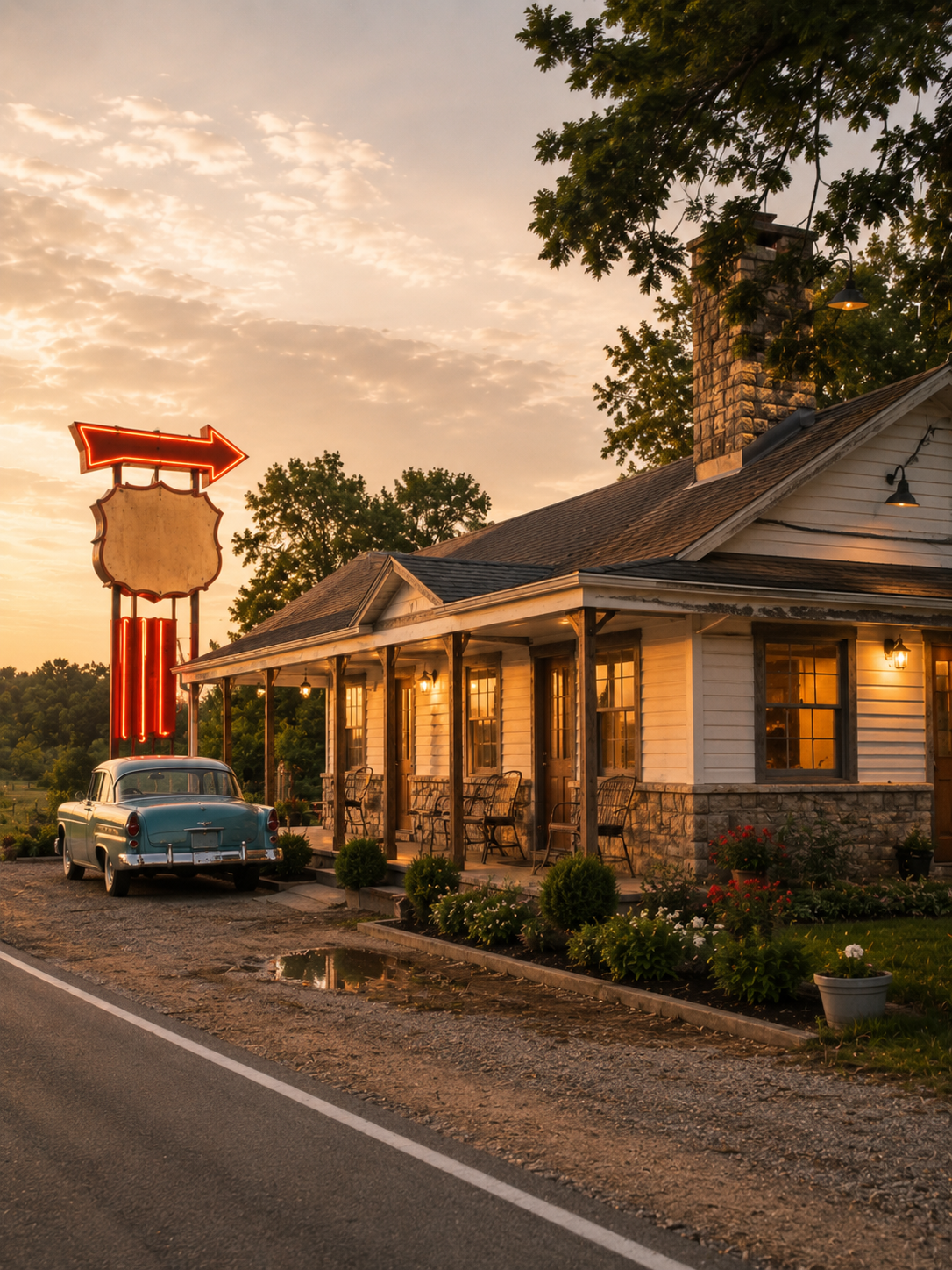
Lebanon has long been connected to the story of Route 66, and you can still feel that roadside heritage in places like the Munger Moss Motel. With its famous neon sign and bungalow-style cottages from the 1940s, it reflects a time when travel, family businesses, and roadside lodging helped shape local communities. These buildings were made to serve people on the move, but many of them also became part of the identity of the towns around them.
The region also has a deeper rural and architectural history. The Bates-Geers House in Texas County, built around 1840 in the Greek Revival style, shows an earlier period of homebuilding with sandstone foundations and traditional craftsmanship. The Arthur W. and Chloe B. Cole House, often called the Octagon House or Cole Castle, tells a very different story. Built with monolithic poured concrete, it reflects a rare and experimental approach to construction for its time. The Houston Ranger Station Historic District, built by the Civilian Conservation Corps in the 1930s, adds another layer — practical public buildings shaped by workmanship, function, and local materials.
For homeowners, this range of history means that properties in Laclede and Texas Counties can vary widely. One home may be an older farmhouse with wood framing, a stone or sandstone foundation, and several outbuildings. Another may be a Route 66-era structure with older electrical systems and layers of updates. Another may be a modern rural home, a concrete structure, or a property with a detached garage, workshop, barn, or storage building.
There is a lot to appreciate in these buildings. Older homes often have character, strong materials, and a sense of place. Rural properties can offer space, privacy, flexibility, and useful secondary structures. Concrete homes can be very strong when they are properly built and maintained. Route 66 properties may carry a unique identity that is hard to recreate in new construction.
At the same time, older and rural properties deserve a careful, practical look. Sandstone foundations, for example, can deteriorate over time. They may show signs of crumbling, moisture intrusion, settlement, or movement. Masonry chimneys and older brick or stone features can also develop cracks, loose mortar, flashing issues, or stability concerns.
Concrete homes have their own questions. While concrete can be extremely durable, homes with thick or tightly built walls may need special attention to ventilation, condensation, and moisture control. If moisture cannot escape properly, it can contribute to mold, musty air, or comfort problems inside the home.
Older wood-framed homes and Route 66-era buildings may also have hidden concerns behind the charm. Wood paneling, crawlspaces, attic areas, and older framing can conceal moisture damage, insect activity, wood decay, or mold. Electrical systems in older homes should be reviewed carefully, especially if the property has been updated in stages over many years. Lead-based paint, asbestos-containing materials, and outdated insulation may also be worth considering in older structures before renovation.
In this region, I would pay close attention to the foundation, crawlspace, attic, roof, gutters, drainage, chimneys, visible wiring, electrical panel, ventilation, and signs of moisture. I would also look carefully at detached garages, barns, shops, and sheds. These buildings can affect safety, maintenance needs, insurance considerations, and the overall value of the property.
In Laclede and Texas Counties, a home often has a long story to tell. Some of that story is visible in the architecture, the land, the road, or the age of the materials. Some of it is hidden in the foundation, wiring, ventilation, drainage, or crawlspace. A careful inspection helps separate character and charm from conditions that may affect safety, comfort, and future costs — so homeowners can understand not only what they are buying, but what the property may need over time.

WHEN YOU’RE READY
When You’re Ready, We’ll Take a Careful Look
Tell us where the property is and what kind of inspection you need. We’ll help you understand the next step clearly.
Schedule an Inspection